


The origins of the tool watch
A common opinion among traditional watch lovers is that the military watch is the purest form of a wristwatch. And to be fair, that belief isn’t far from the truth. If we want to trace the origins of the wristwatch, we need to go back to the early 20th century, specifically World War I.
Back then, soldiers had no other option but to depend on their pocket watches. However there was a serious problem: imagine being in the shallow trenches of the battlefield, in the freezing winter, under heavy enemy fire, and at the same time needing to coordinate operations down to the exact minute.
Reaching into the filthy uniform pocket with frozen hands inside wet gloves was neither simple nor pleasant. The first solution soldiers and officers came up with was to ask their comrades in the engineering units to weld small wire lugs onto the cases of their pocket watches.
This allowed them to strap the watch onto their wrist using a leather band. Word of this improvisation eventually spread beyond the trenches, and watch manufacturers, who until then had dismissed the wristwatch as a feminine accessory, began to recognize it as a practical tool with broader appeal.
Very soon, the wristwatch gained real significance. But another major change was needed: size. One of the last things you want with a wristwatch is being unable to slip it under your sleeve. These watches were highly valuable pieces of equipment, and military supply units were extremely strict about maintaining them.
Producing and purchasing them was costly for governments, so soldiers were required to take good care of them. As always, real necessity drove change, and wristwatches quickly evolved in size to meet practical demands.
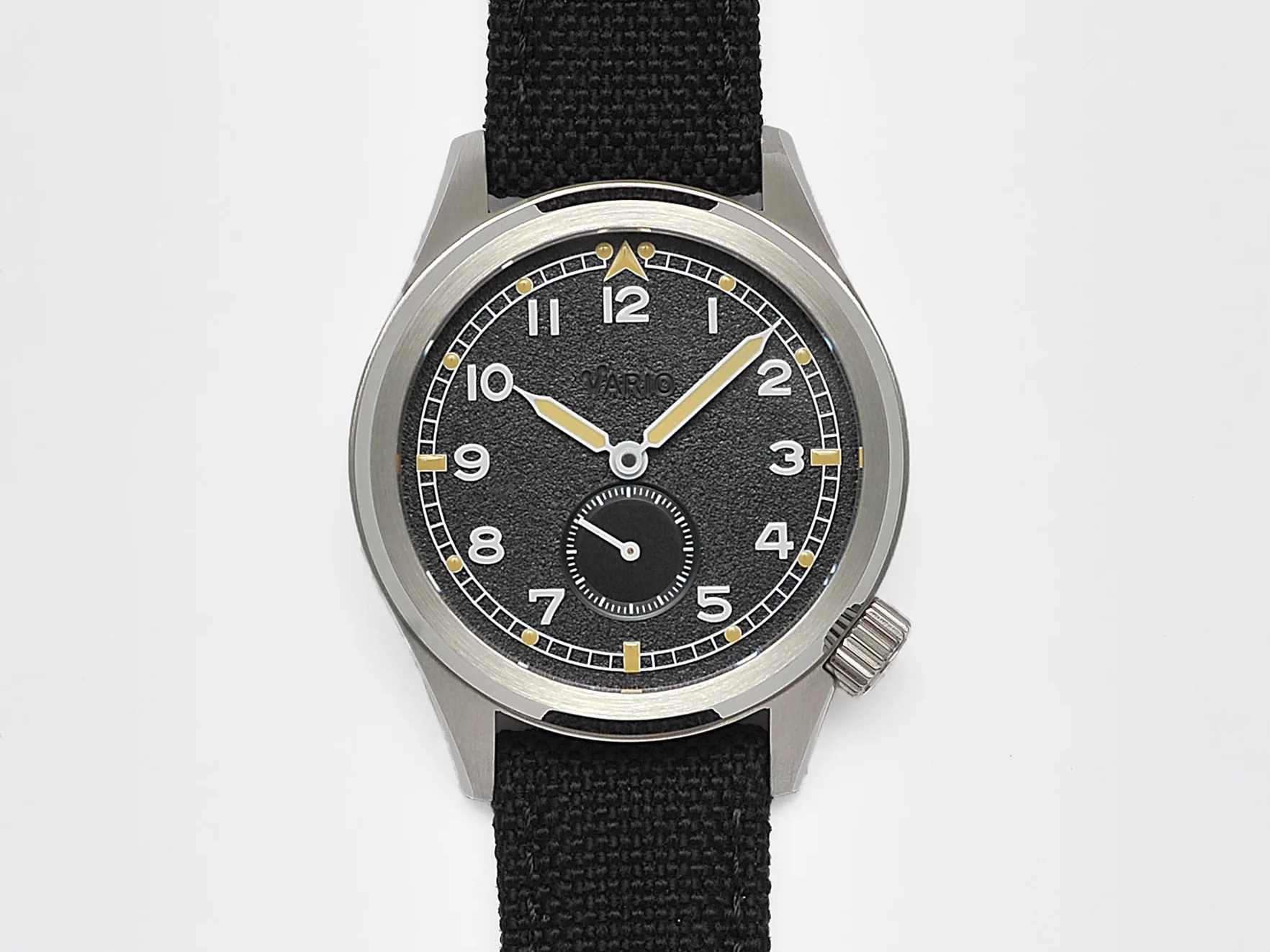
I gave you this long introduction to help explain why so many brands that build military-inspired watches still insist on making them smaller than 40 millimeters. Not just 39 or 38, but many argue that a truly faithful military watch should not exceed 37 millimeters. And 37 millimeters happens to be the exact size of this watch from the Singaporean brand Vario.
Faithful to the original
I understand that, in 2025, wearing a 37-millimeter watch might not feel so easy to accept. But if you can put aside your bias about size and actually wear this watch for just a few days, I promise, you’ll be surprised at how naturally it grows on you. For an average wrist, and even for a slightly larger one, a 37-millimeter case does not look out of place. Let’s not forget: not long ago, it was common for lug widths to be noticeably smaller than wrist widths.
For example, in 1980, a 39-millimeter watch was considered large. In fact, when Audemars Piguet introduced the Royal Oak in 1972, its 39-millimeter size was so oversized for the time that it earned the nickname “Jumbo.” As for the dial and hands of this Vario, I don’t need to say much.
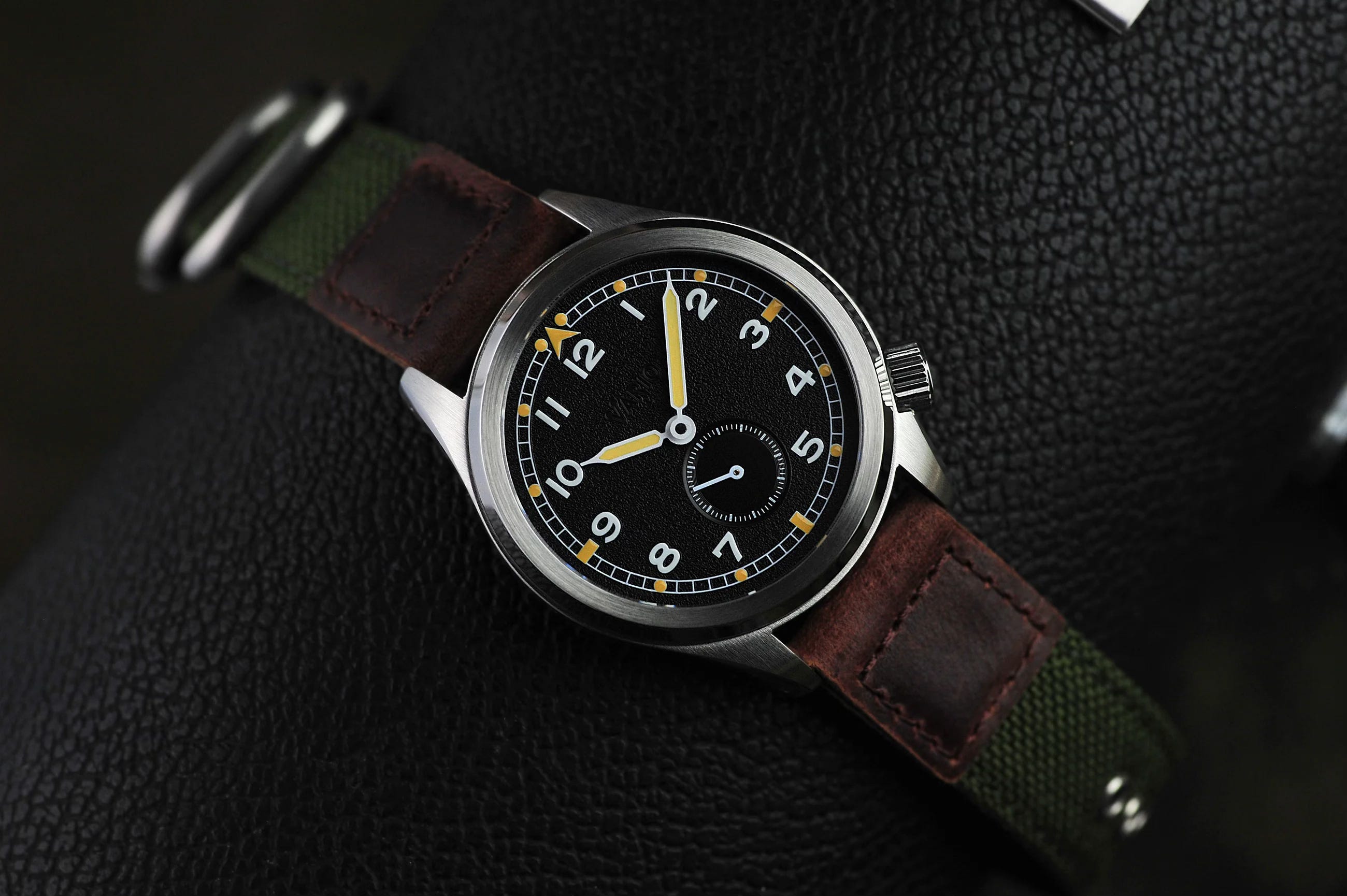
To put it simply, I love the design. Beyond the small seconds subdial, which is itself another nod to vintage military watches, two things stand out. First, the textured finish on the dial improves legibility in various lighting conditions. Second, the logo is subtle and doesn’t distract from quick time-reading, which is exactly what a military watch should prioritize. After all, a military watch is supposed to be a tool in its purest form, or at least, it should be.
A humble but working movement
Of course, stamping a logo onto the dial isn’t exactly expensive for a brand either. Now, let’s talk about the movement. Vario chose the Miyota 82S5 caliber for this model. For a watch priced under $400, there aren’t many alternative options available. This is one of the most common choices among microbrands: a Japanese movement, tough and reliable, though not famous for its precision. That said, during my time with this watch, I recorded no more than about a 10-second deviation. For a sub-$400 watch, that’s good.
But keep in mind: my experience doesn’t mean every single watch with this movement will perform identically. Even two watches using the same caliber can show noticeable differences in accuracy. I’ll try to cover this subject in detail in a future article.
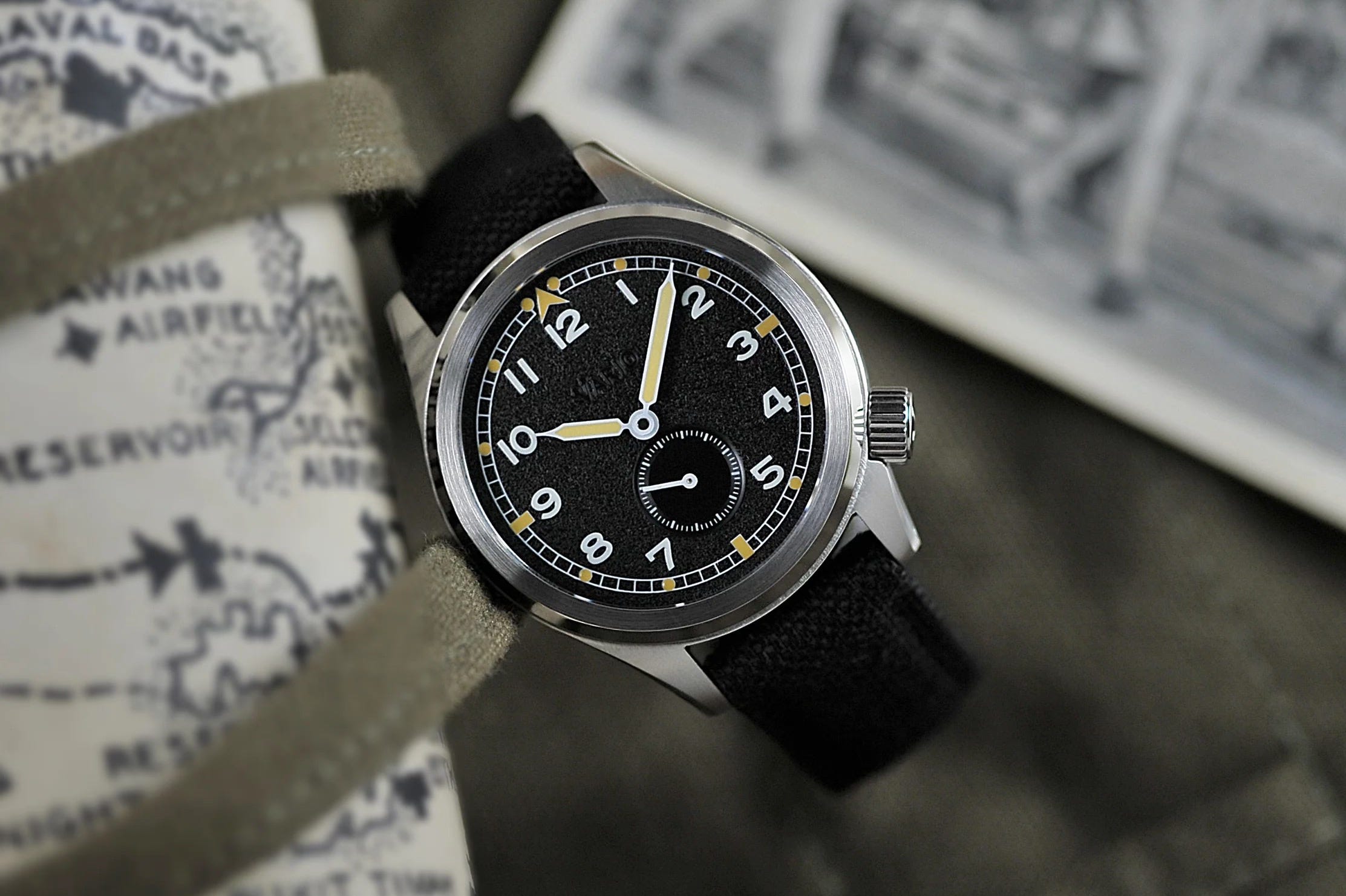
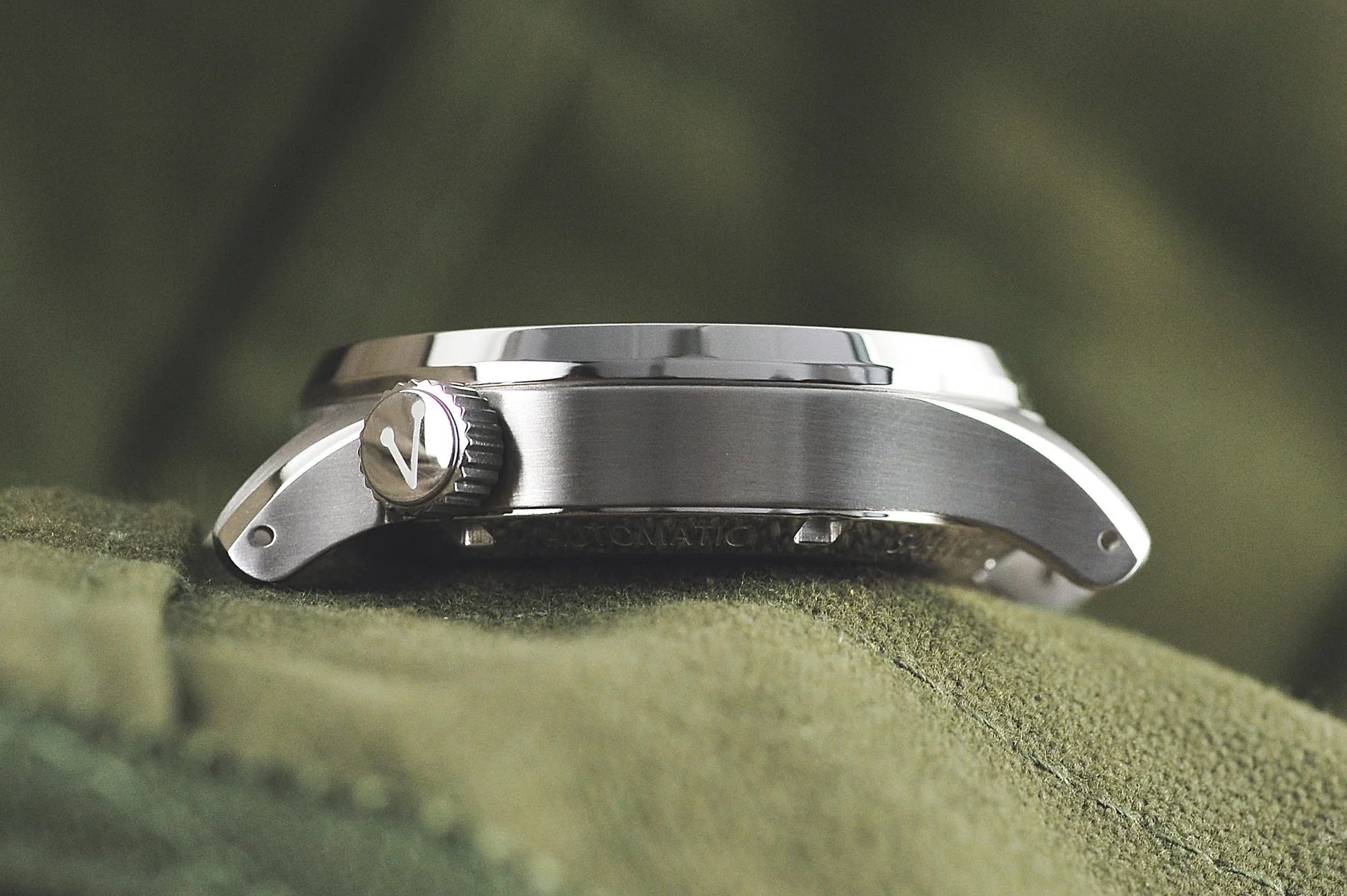
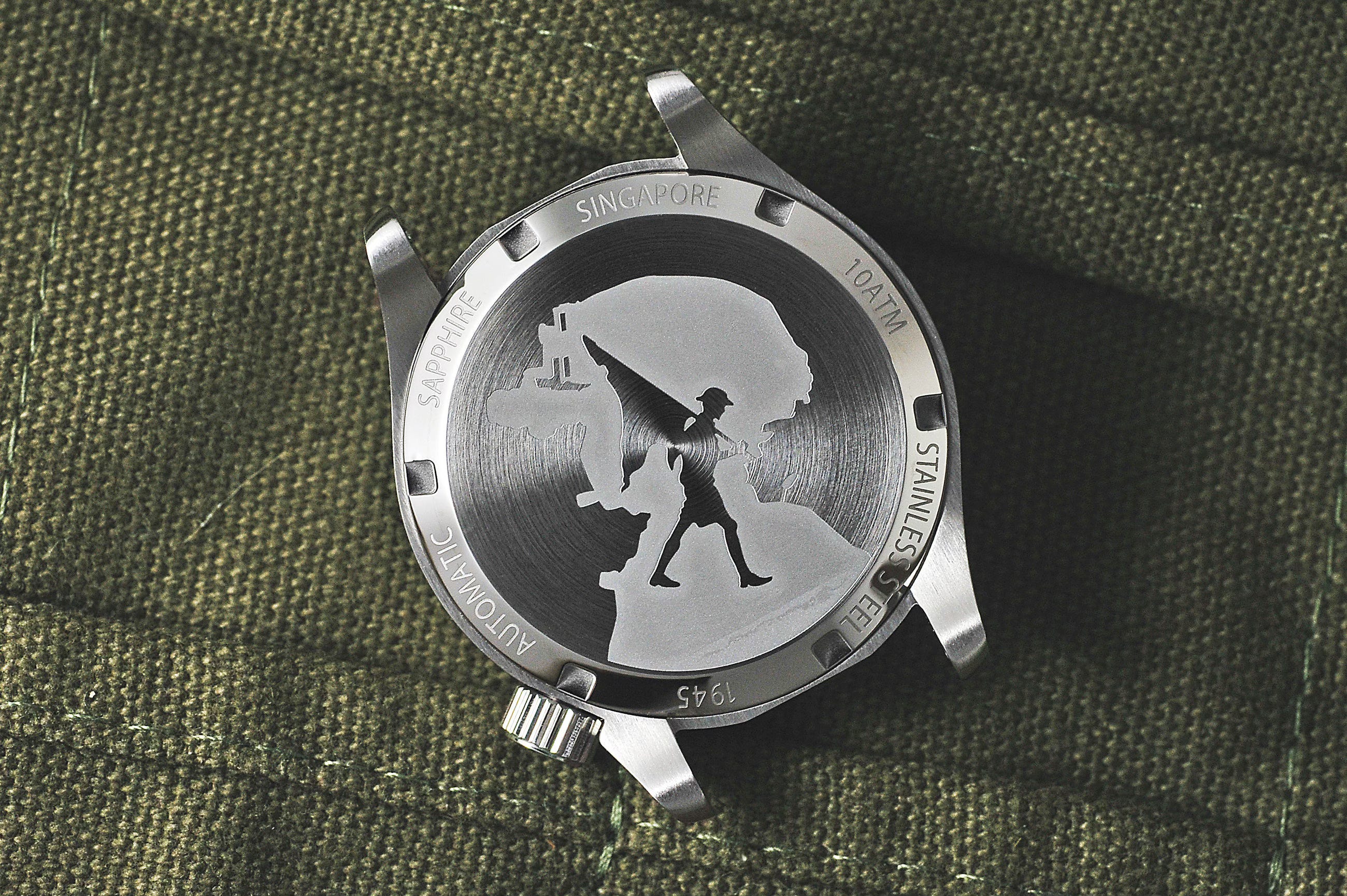
The crown placement at 4 o’clock is a smart choice; it makes the watch more comfortable to wear and improves wrist mobility. Some of you might wish for 200 meters of water resistance instead of 100, but in practice, when both the screw-down crown and screw-in caseback are in place, the difference between 100 and 200 meters is minimal. For everyday tool use, the water resistance here is more than adequate.
Another solid design decision from Vario was including drilled lugs, which is practically a must for any watch that claims military authenticity. So, let me wrap this up. I understand why many people feel the need to criticize every watch. But the deeper you go into this world, the more you learn to appreciate different pieces for what they are. More importantly, you realize that any fair judgment of a watch must include its price point, and that your expectations should be adjusted accordingly.
In my view, for under $400, the Vario 1945 D12 is a perfectly respectable timepiece. A watch that is faithful to traditional definitions, with thoughtful design, controlled proportions, and real charm.
absolutely worth the price. I recommend it.