


The world of watches is nothing but a series of conventions.
Why is it that no one can truly claim they buy and wear dive watches for the actual purpose of diving? Because the reality is that the vast majority of dive watches in history have likely never seen depths beyond two meters in their entire lifespan. We know that no one buys a dive watch with the intent of wearing it in the depths of the ocean, just as we know that Daytona owners are often not professional motorsport drivers, and those who wear Speedmasters are not necessarily planning a trip to the moon. That has never been the point.
We are talking about conventions, conventions we usually accept and upon which we base our judgments. In fact, has our fascination with the world of horology not been shaped by these pre-accepted conventions?
Let us review one or two of the primary conventions of the watch world.
The first convention: We do not need watches; we merely pretend that we do. This is not a bad one. To what part of the world does this passion cause harm? A watch is a fascinating thing. A small machine -whether quartz or mechanical- that no matter how hard its makers try, can never be built on the absolute cutting edge of modern technology. It is an ancient mechanical concept that, in its official duty of tracking time, will inevitably lag behind even the cheapest digital gadgets. But does this stop us? No, because almost all of us have accepted this convention. And we haven’t simply accepted it; this acceptance is so profound that we have built a relatively massive industry and market around it. Thus, the first convention works, and we remain committed to it.
The second convention: We may respect wearable gadgets, but we do not consider them “watches.” No, do not misunderstand; this is not a value system, but a simple categorization. It follows an uncomplicated logic. We believe a watch is something that was not built with the goal of being replaced by an upgraded version, nor is it destined to become completely useless and irrelevant a few years from now due to old software. This, too, is a convention that works. It is the same convention that leads the collective consciousness of watch enthusiasts to organically ignore products when a company like TAG Heuer, Louis Vuitton, or Hublot violates it by creating luxury smartwatches. Therefore, it seems this convention has also found its place. In the first step, we devote significant time to a new convention, and once its function is proven, we accept it.
So, where is the problem?
What Makes You a Dive Watch?
I want to talk about the subject of the “dive watch”, about the conventions built and accepted around this axis. What is our first convention regarding a dive watch? A relatively higher resistance to water pressure. Relative to what? The answer is simple: relative to other watches. How much is this “higher” resistance? Most other non-dress watches have a water resistance between 50 and 100 meters. Therefore, it is not a strange expectation for us to want dive watches to exceed 100 meters. If the most obvious and minimal convention of a dive watch is not to be applied to a dive watch, on what basis can we consider it one? Ha! I know exactly what the makers of watches like the Seiko 5 Sports and the Citizen Tsuyosa Shore would say to this question: The rotating bezel.
This is a habit that seems to be spreading: using the appearance of a dive watch on something that does not adhere to the first convention of a dive watch. Yes, I understand you might say, “Did Citizen or Seiko actually name these watches ‘divers’?” No, they didn’t. But the name isn’t that important. What matters is the prestige that a rotating bezel grants a watch, a prestige that undeniably comes solely from the dive watch. It is a well-established understanding that a rotating bezel is placed on a watch to clothe it in a diving aesthetic. There can be no other reason. But why do they accept the trouble of adding a rotating bezel yet fail to adhere to the primary convention? Likely for the sad reason that adding a screw-down crown increases production costs, and adding better gaskets makes the manufacturing process more complex. And most importantly, because it seems we are accepting this path of “internal reduction.”
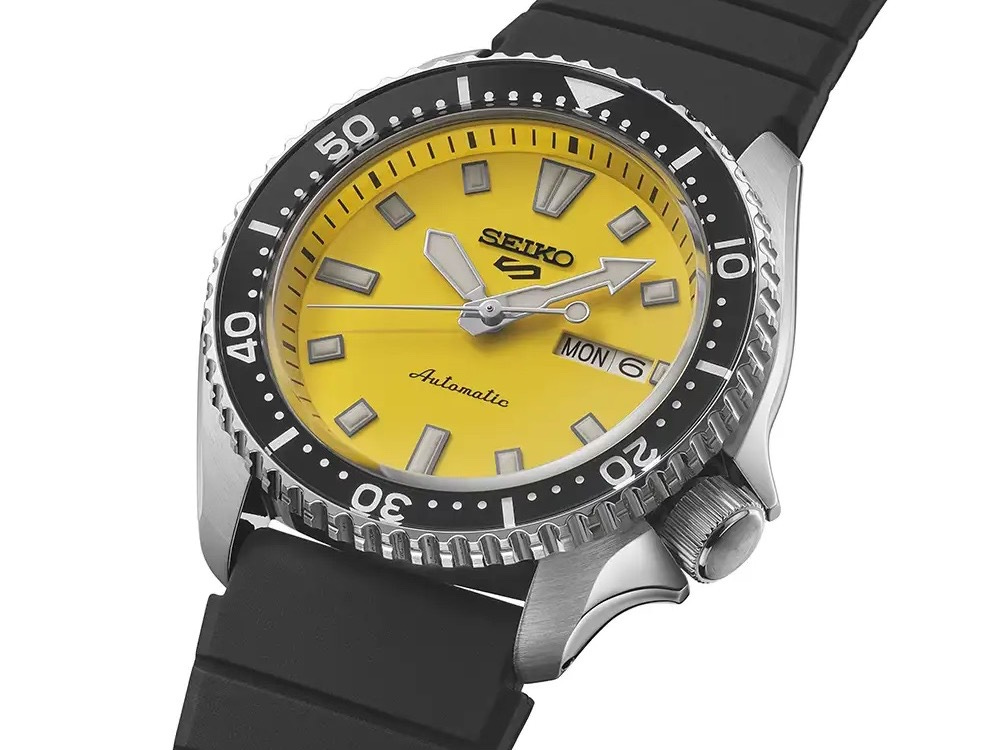
The core of a dive watch is its resistance to water pressure, and its shell is the rotating bezel. This is a behavior, an approach, a worldview where, to achieve a “status of resemblance to a phenomenon,” we prefer to settle only for imitating its shell. Now, an argument might exist that does not consider the central core of something like a dive watch to be its higher water resistance, but rather sees the rotating bezel as its defining feature. That could be an answer, though I believe it is not an objective one. But if we accept that the primary identifier of a dive watch is its resistance to water ingress, then we are not drawing a false conclusion.
In Longing for the Aqualand and the SKX
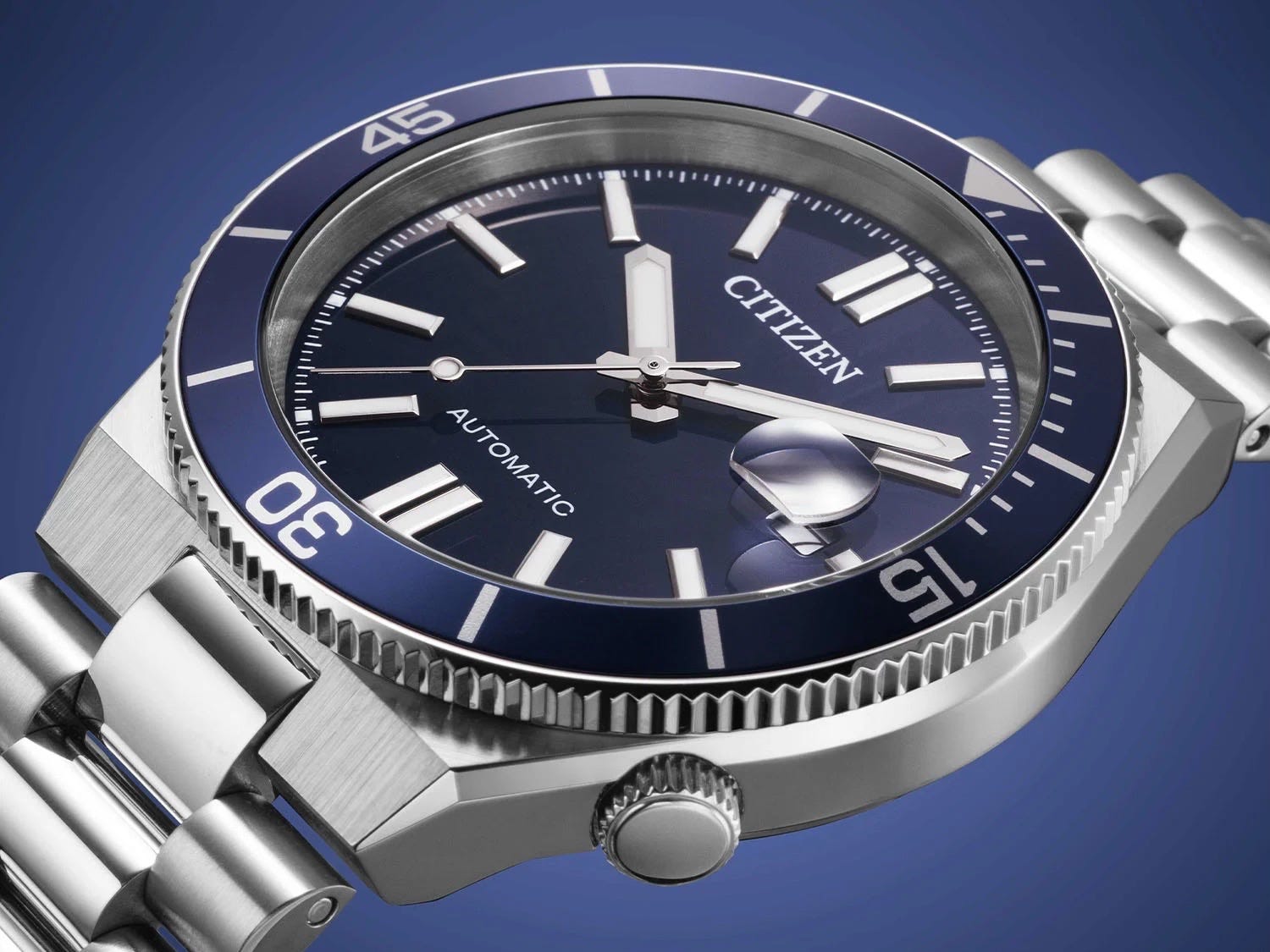
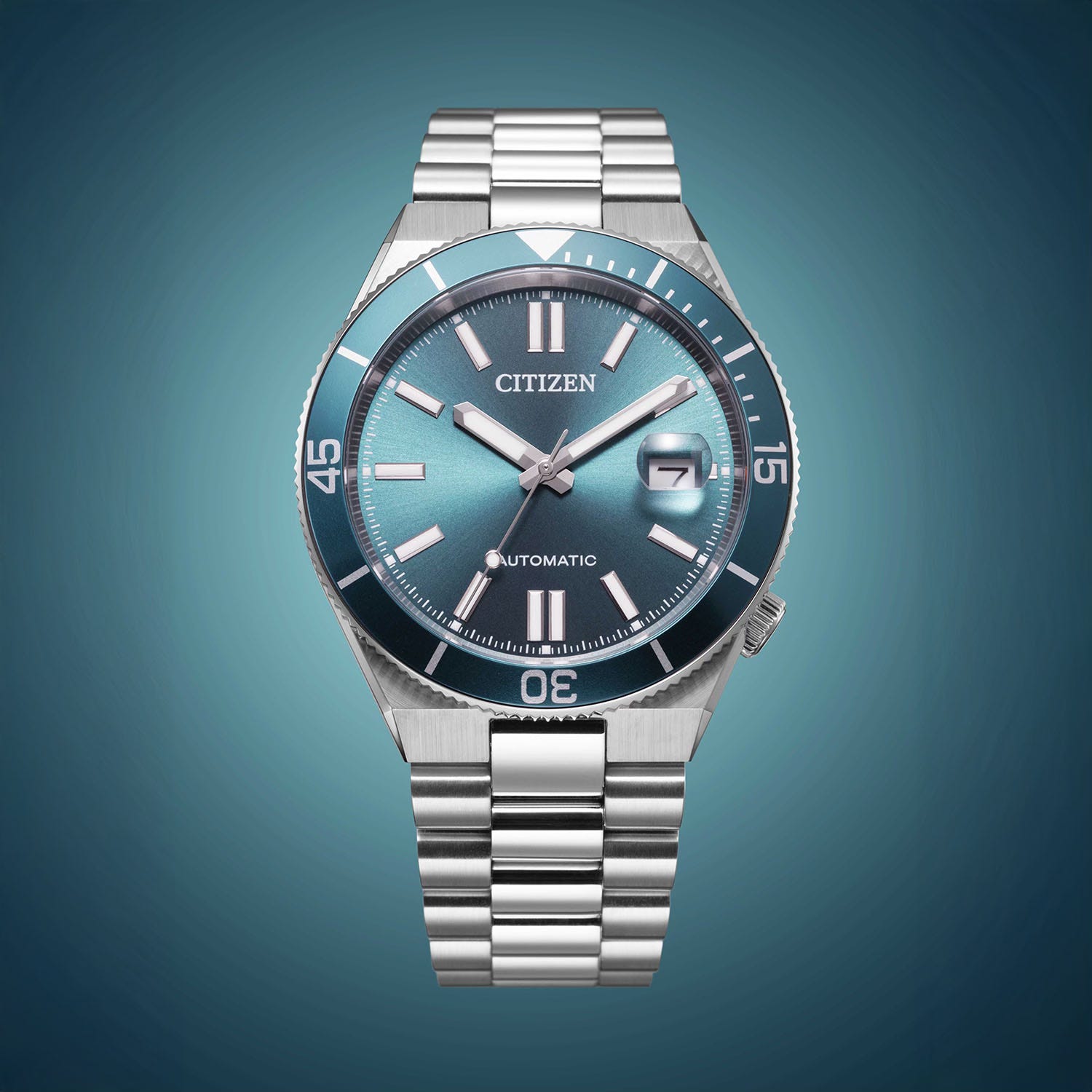
Let us look at the new reference recently introduced by Citizen: a new model from the popular and incredibly successful Tsuyosa collection, whose impact on the watch market no fair observer can deny, is now equipped with a version “resembling” a dive watch. The original Tsuyosa model claimed to be nothing more than a sport watch with an integrated bracelet. But it could be said that now that this “Shore” model has been introduced, the Tsuyosa collection will likely not have a true dive watch, at least in the near future. For if a “real dive watch” were placed alongside the Shore, we could then comfortably call the entire premise of the Shore into question.
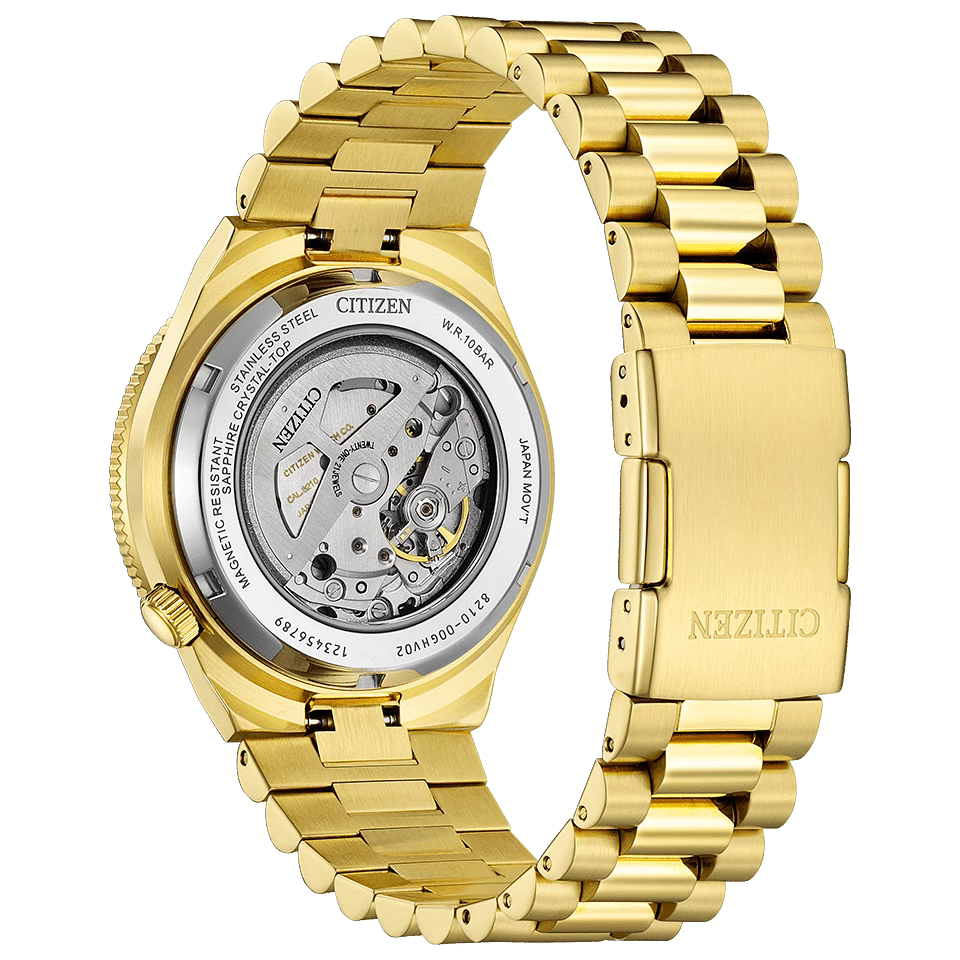
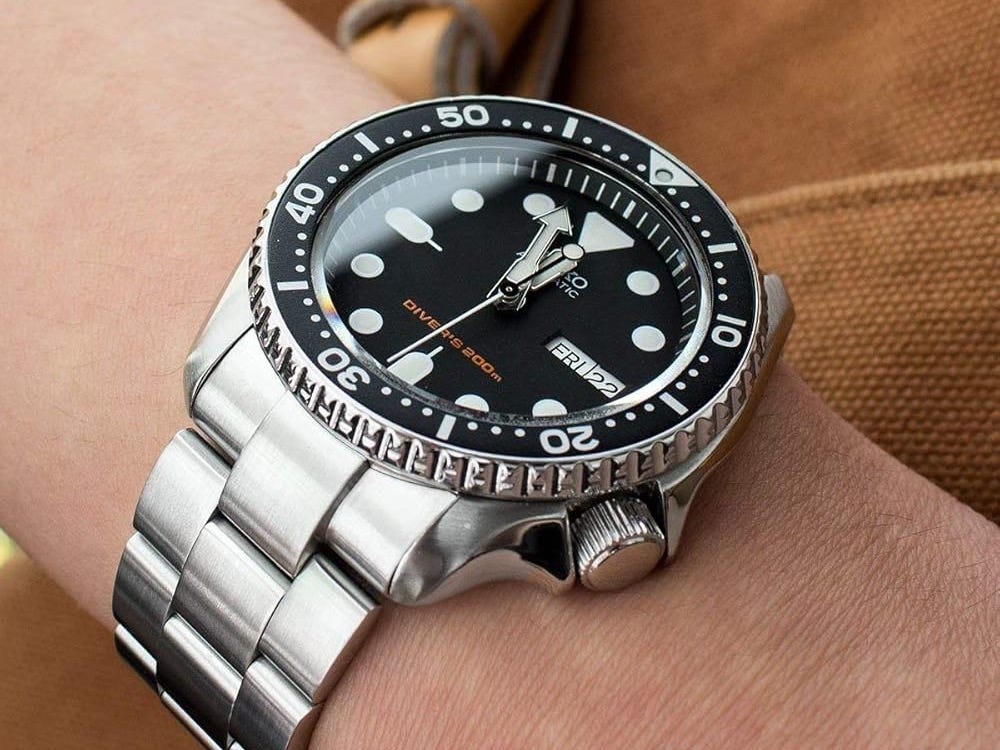
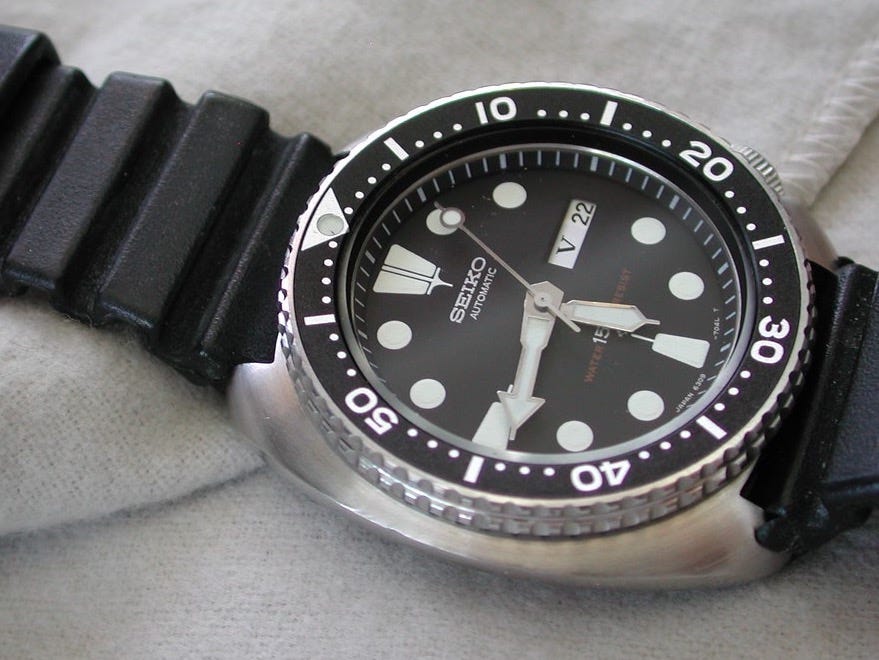
It is worth confessing with a bit of self-awareness that it seems Citizen itself was aware of this halfway treatment of the dive watch, as the name says it all: Shore, which is effectively neither fully land nor truly ocean. This is exactly the same problem I have with the Oris Divers Sixty-Five. But if I were to identify the biggest target of this critique, I must say nothing disappointed me as much as the SRPD collection released by Seiko as a faint attempt to replace the legendary SKX. It wasn’t a replacement, and we all know it.
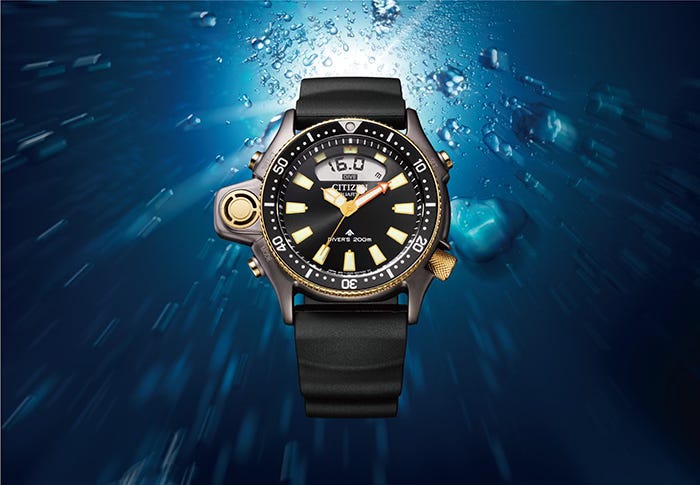
Now, the most important question must be asked: Why does this even matter? We are talking about watches, about something that gains its relevance precisely by relying on these unwritten conventions. If we allow the disregard for conventions to enter our habits in the watch industry, it won’t be long before we see so-called “dive watches” with snap-back case backs.
We had better not get used to these shells. Let us leave such things to companies other than the makers of legends like the Aqualand and the SKX.
Now the main question for me is: Can I go to the pool with a 10 bar watch?
Did I understand correctly? Below 20 bar is not considered a diving watch, although most watchmakers describe above 10 bar as a scuba or diver watch...