


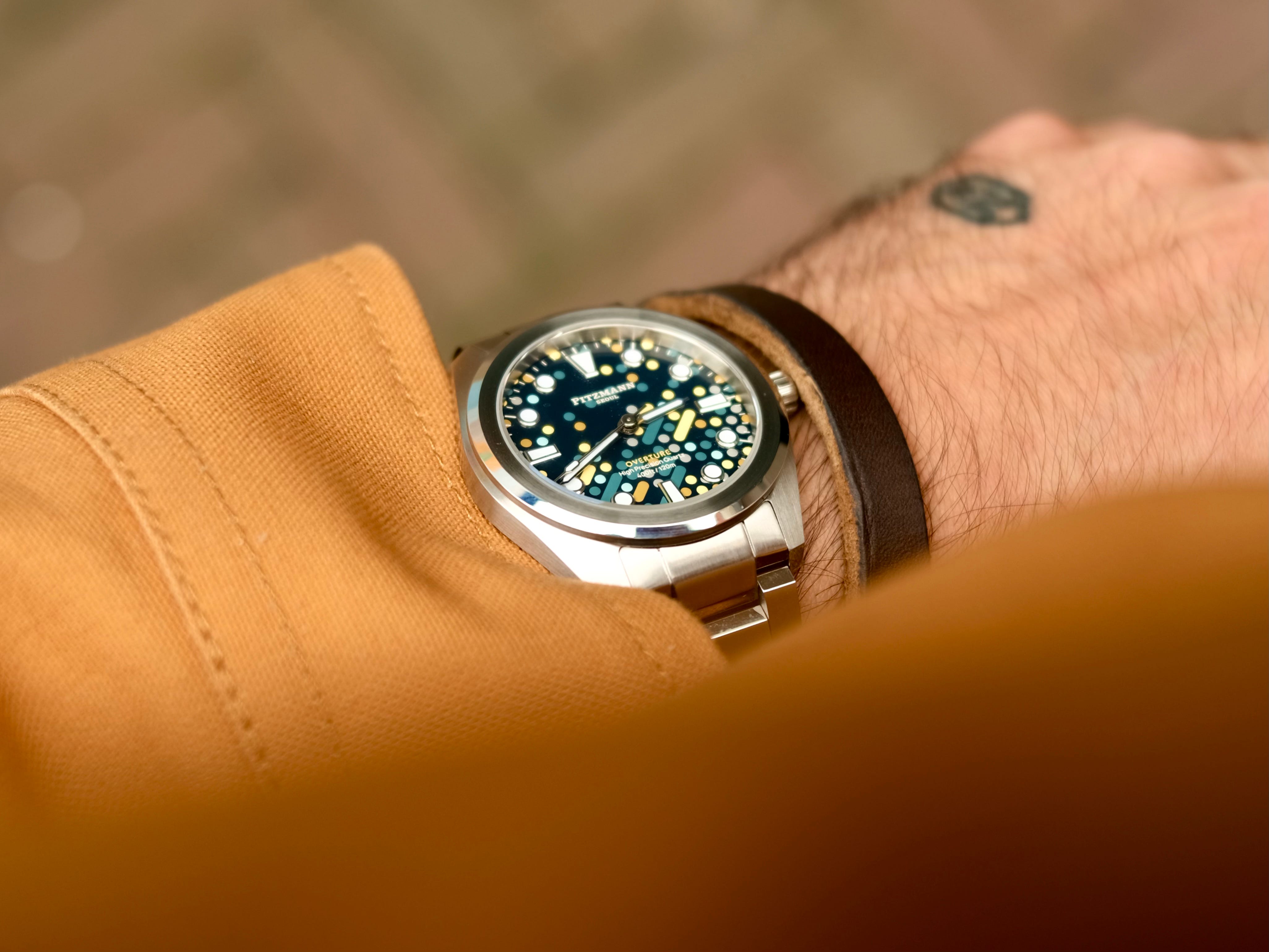
What even is a “waterproof” watch?
It is no exaggeration to say that the issue of “water” is one of the most contentious topics in the watch world. From the confused customer trying to make a purchase to the inflated claims of salespeople, and the vague marketing copy designed to obscure rather than clarify, the relationship between a watch and moisture has rarely been truly defined.
In this article, I want to settle this debate once and for all: what does “waterproof” actually mean, and more importantly, does a “waterproof” watch even exist?
Let’s start with the last question: No, a “waterproof” watch is a non-existent phenomenon. This isn’t just my personal deduction; in fact, the European Union faced the same ambiguity decades ago. After extensive deliberation, it was ruled that watch companies should cease using the term “waterproof” in their advertising. Why? Because “waterproof” is an absolute term, and no product in a world governed by relativity should claim an absolute quality.
What does this mean in practice? Conceptually, “waterproof” implies that a watch has zero vulnerability to water, under any circumstances. This claim is fundamentally impossible. A watch is an assembly of multiple connected parts, a composite object. Can the impermeability of such a complex mechanism ever be “absolute zero”? Certainly not.

You need to know the vulnerable points
Before proceeding with the article, we must review a technical reality: how do vulnerabilities to external elements like water, dust, and steam actually find their way into a watch? It is crucial to understand this explanation correctly. When we talk about a structure like a wristwatch, we are essentially talking about a metal box constructed from several “joints,” all of which are established either through friction-fitting or screws.
Where exactly are these “joints” located? In a wristwatch, the primary joints exist at several points: the connection between the case back and the mid-case, the connection between the mid-case and the bezel, the connection between the bezel and the crystal, and the connection between the crown and the mid-case. These represent the “minimum” joints present in the vast majority of watches. This number increases in many cases if the watch features a chronograph (due to the pushers) or a perpetual calendar (due to the adjustment recessed pins).
Every single one of these joints is, in fact, an entry point for external elements. Furthermore, it is a major mistake to assume that when two metal surfaces are mated, the point of attachment is absolutely resistant to external elements. You and I may not be able to see a gap between the two parts, but water vapor molecules may easily pass through that microscopic clearance.
Expansion and contraction due to temperature fluctuations, deformation from minor daily impacts, and most importantly, the degradation of the washers and gaskets seated within these joints can easily create multiple vulnerable points for the ingress of external elements.
Now let’s get back to the article.
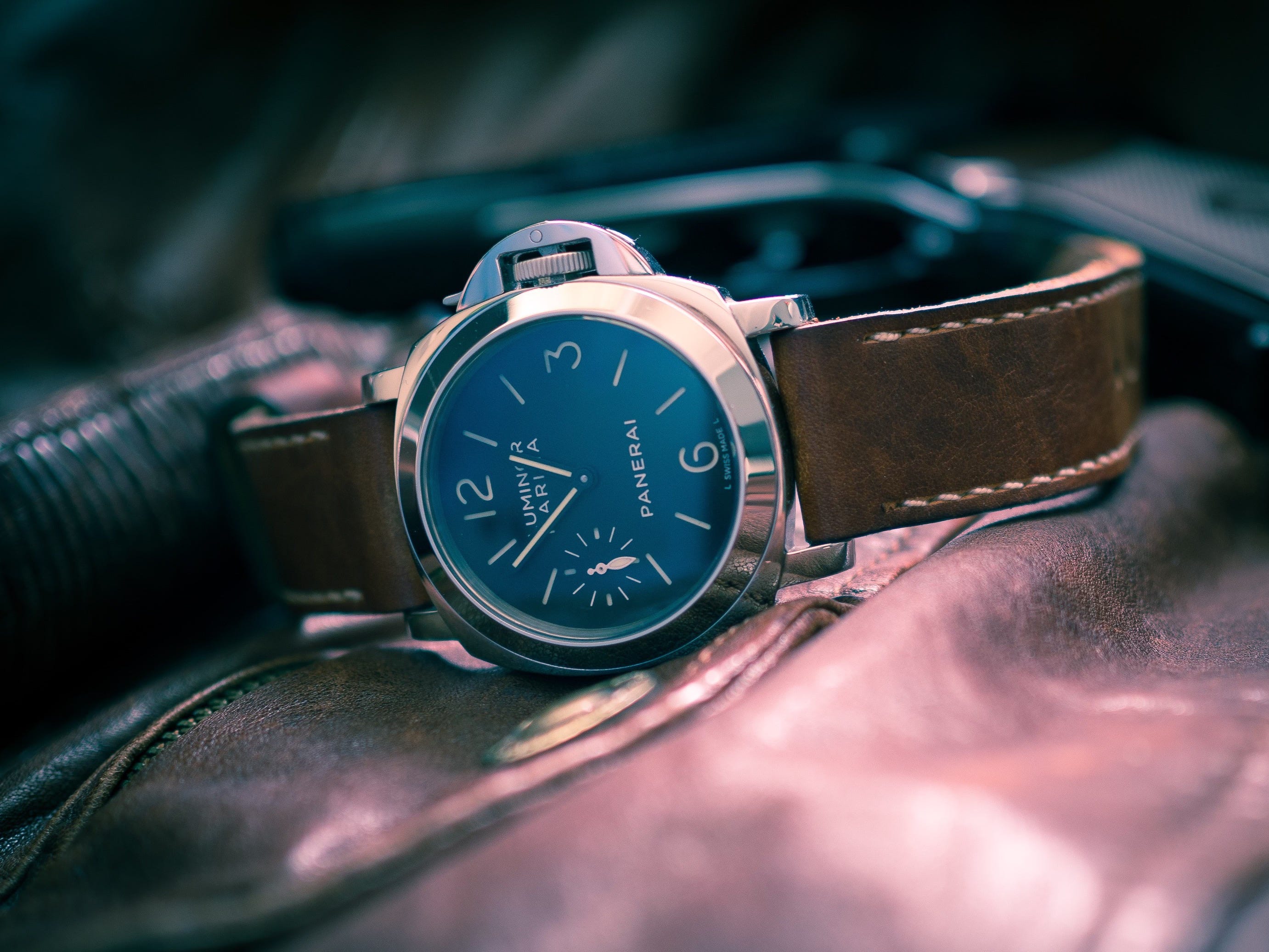
A few simple numbers that will definitely help
Today, manufacturers are required to use the term “Water Resistant” instead. This is far more accurate because “resistance” is inherently relative. This is why the phrase is almost always accompanied by a metric, such as 30m, 50m, or 100m.
Now, for the more important question: What does “Water Resistant to 30 meters” actually mean? Does it mean you can dive 30 meters into the ocean and expect your watch to survive? Again, no.
When you see this rating, it means that random samples from a production batch were taken to a laboratory, placed in isolated tanks, and subjected to static pressure equivalent to that depth for a few minutes. If the samples survive, the model earns its rating. However, we all know there is a world of difference between controlled laboratory conditions and the unpredictable pressures of real life.
Here is a general rule of thumb for your daily life:
30m Resistance: Safe for light rain.
50m Resistance: Can handle hand-washing or brief splashes.
100m Resistance: Suitable for surface swimming and snorkeling.
200m Resistance: Capable of handling professional swimming and high-impact water sports.
But what about the shower? The fluctuations in water temperature, the multidirectional pressure, and exposure to chemical detergents create such a high-stress environment for the watch’s gaskets that it is almost always recommended to avoid it.
To put it simply: “Waterproof” does not exist, but “Water Resistant” does. Because nothing is absolute, unless it’s a lie.
Well done