


A review of what we know as the cradle of watchmaking
Regardless of which historical vantage point one chooses, it is indisputable that by the early 19th century, Switzerland had claimed the mantle of the world’s primary timekeeper.
While nations like Germany (centered in Glashütte, Saxony), England (London), and the United States (Pennsylvania and Massachusetts) continued to export significant volumes, it was Switzerland that, decades after the Industrial Revolution, successfully branded itself as the “Cradle of Watchmaking.”
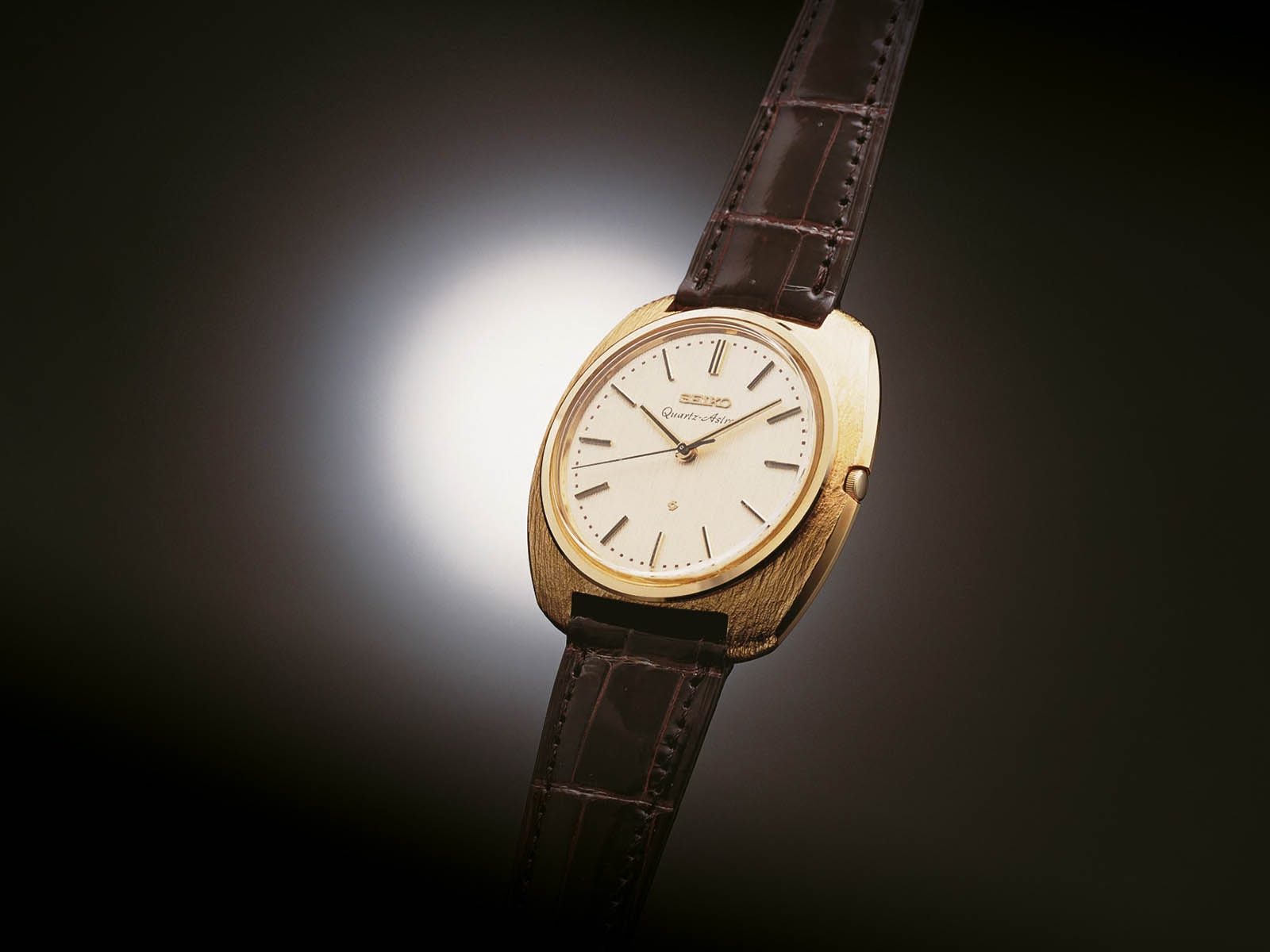
Fast forward to 1969: the global market witnessed the introduction of the first quartz watch, the Seiko Astron. Contrary to contemporary perceptions, Seiko’s battery-powered marvel initially cost thousands of dollars, at a time when a standard Rolex sold for roughly $250. Indeed, in the early 1970s, quartz technology was a luxury innovation. However, due to its reliance on electronic circuits and industrial automation, production costs soon plummeted toward zero.
As Japanese manufacturers flooded the market with affordable, hyper-accurate timepieces, the proud and rigid Swiss industry faced total bankruptcy. Within a few years, Switzerland lost nearly 80% of its workforce. The nation was on the verge of being wiped off the horological map until the government and major banks stepped in.
What do we know about Swatch’s true status and value?
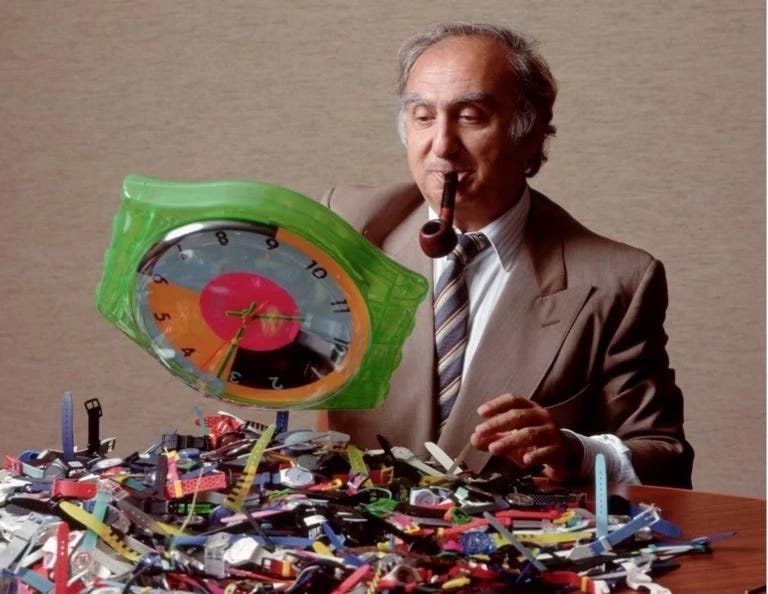
A mission was defined: stop struggling in the “Eastern swamp” and save the remnants of Swiss watchmaking. An entrepreneur named Nicolas G. Hayek took charge of the rescue project. He orchestrated the merger of numerous failing brands, creating what would eventually become a powerhouse.
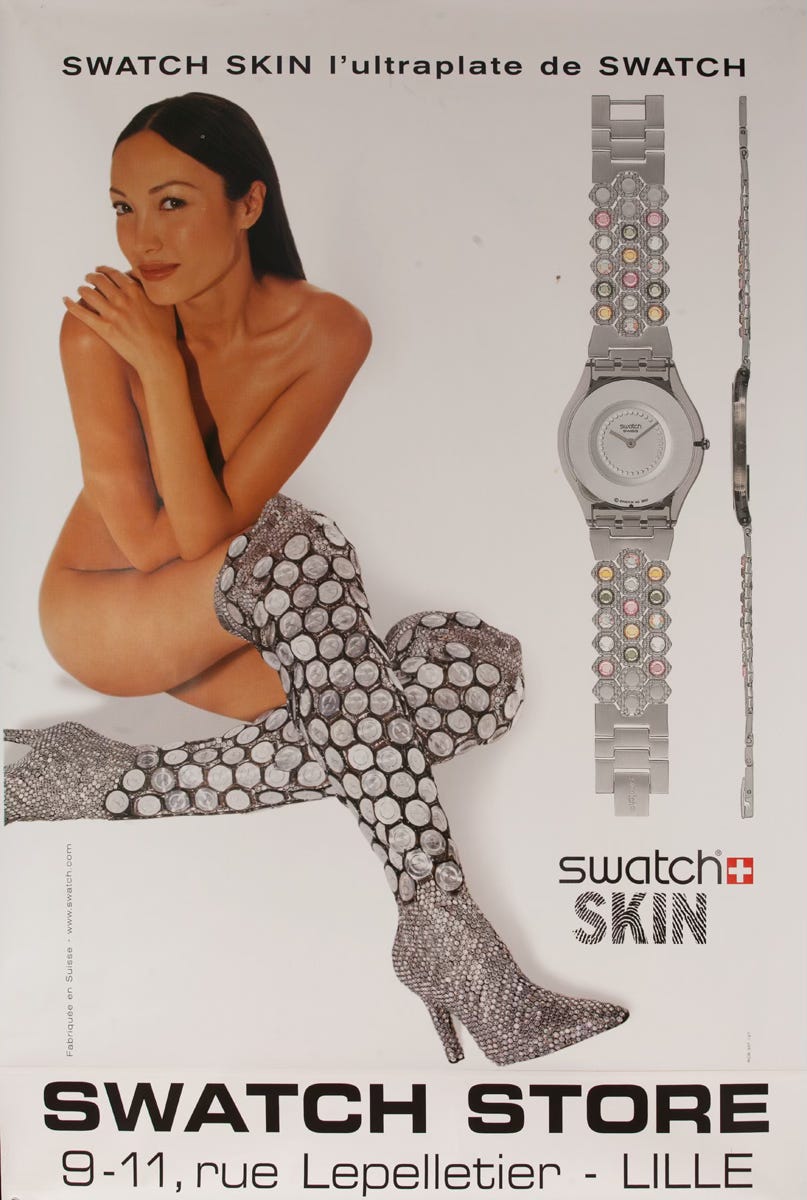
Though only a few “withered branches” remained of the once-vast Swiss forest, Hayek’s efforts slowly bore fruit. The merged companies shared technical resources to survive, and amidst this struggle, a definitive Swiss answer to the cheap Japanese quartz watch was born: Swatch.
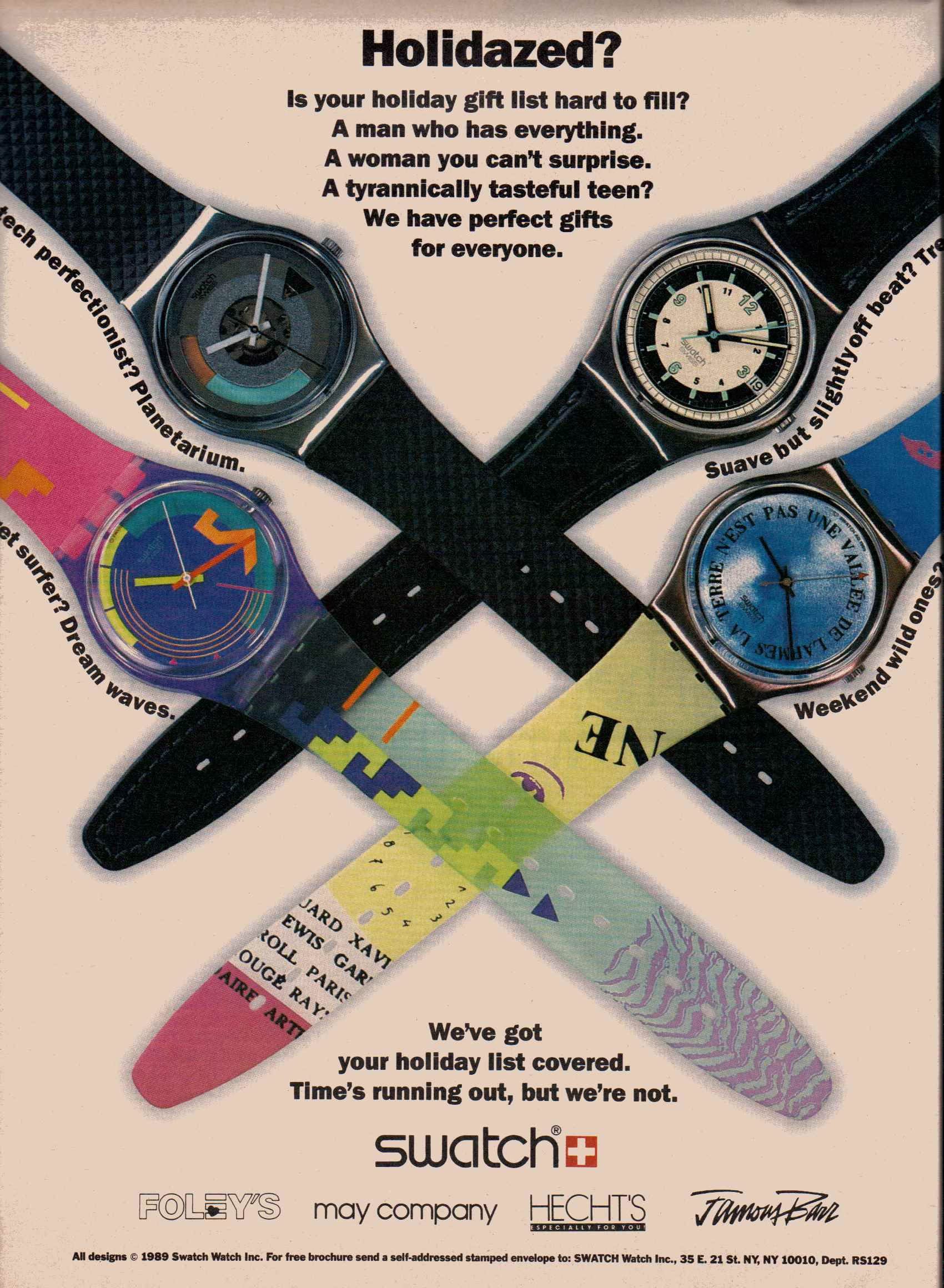
When the colorful, plastic, and vibrant advertisements for Swatch hit television screens and magazines in the early 1980s, Japan did not expect such a rapid challenge to its dominance. History testifies that it was a masterstroke: what could be better than a youthful, reliable, and incredibly affordable watch produced in the “Cradle of Watchmaking”? It was the perfect counter-move.
Beyond the technical synergy of the merged companies, it was the immense capital generated by the global obsession with plastic Swatches that restored hope and momentum to the crisis-stricken Swiss industry. Eventually, in honor of this historic victory, the parent company was renamed the Swatch Group, ensuring that Europe’s escape from the “Quartz Crisis” would never be forgotten.
Today, when you look at the Swatch Group’s portfolio, names like Omega, Longines, Tissot, Hamilton, Rado, and Certina, it is vital to remember that they all owe their continued existence to the humble, plastic Swatch.
Crisis or revolution
In recounting the decades between the 1960s and 1990s, Switzerland uses the term “Quartz Crisis,” while Japan prefers “Quartz Revolution.” One hemisphere remembers bankruptcy and despair; the other, a glorious ascent to the top.
Yet, one reality remains undeniable: the vast and magnificent history of horology remained standing only because it leaned on the pillars of the most affordable watches.
Which narrative do you accept?
Do you view this historical period as a “crisis” or a “revolution”? Or better yet, do you look at this past from the perspective of Switzerland or from the perspective of Japan?
Definitely Revolution!