


Graph or Meter: a simple question
One of the most persistent errors in the world of horology is treating the terms “Chronograph” and “Chronometer” as synonyms. Many of us remember our school PE teachers wearing a device around their necks that we called a “Chronometer.” In reality, it wasn’t just not a “coronometer” (as some mispronounced it), but it wasn’t a Chronometer at all—it was a Chronograph. We’ve spent a lifetime confusing the two.
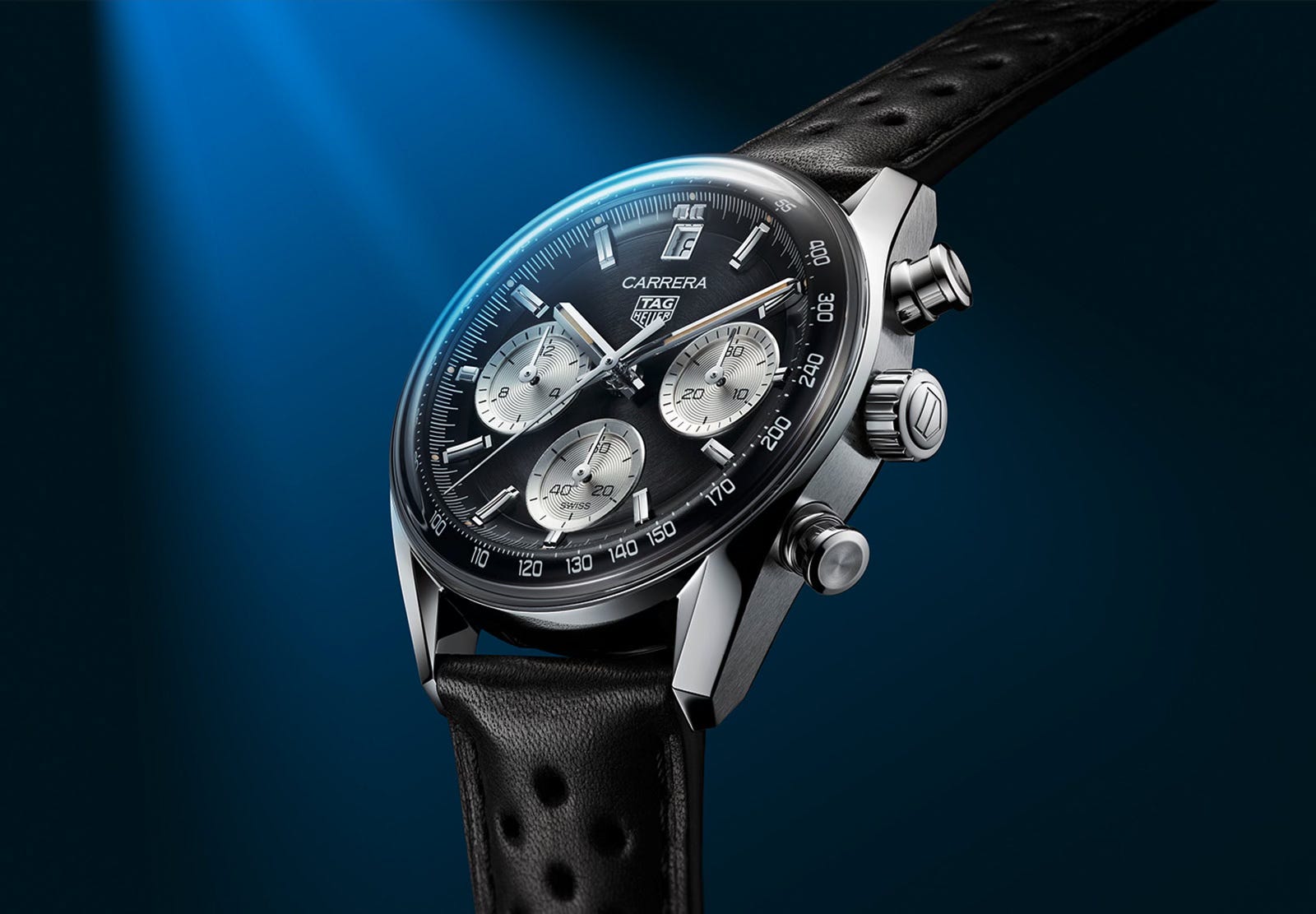
A Chronograph is a tool that measures a specific interval of time, the duration between the moment it is started and the moment it is stopped. Many watches are equipped with this complication. Chronograph watches can be quartz or mechanical and range in price from $5 to tens of thousands of dollars. The name itself reveals its function; Chrono(time) + Graph (to write/record): a time-recorder.
If I were to offer my own definition of a Chronograph, it would be this: the ability to measure a segment of time with a custom start and end point.
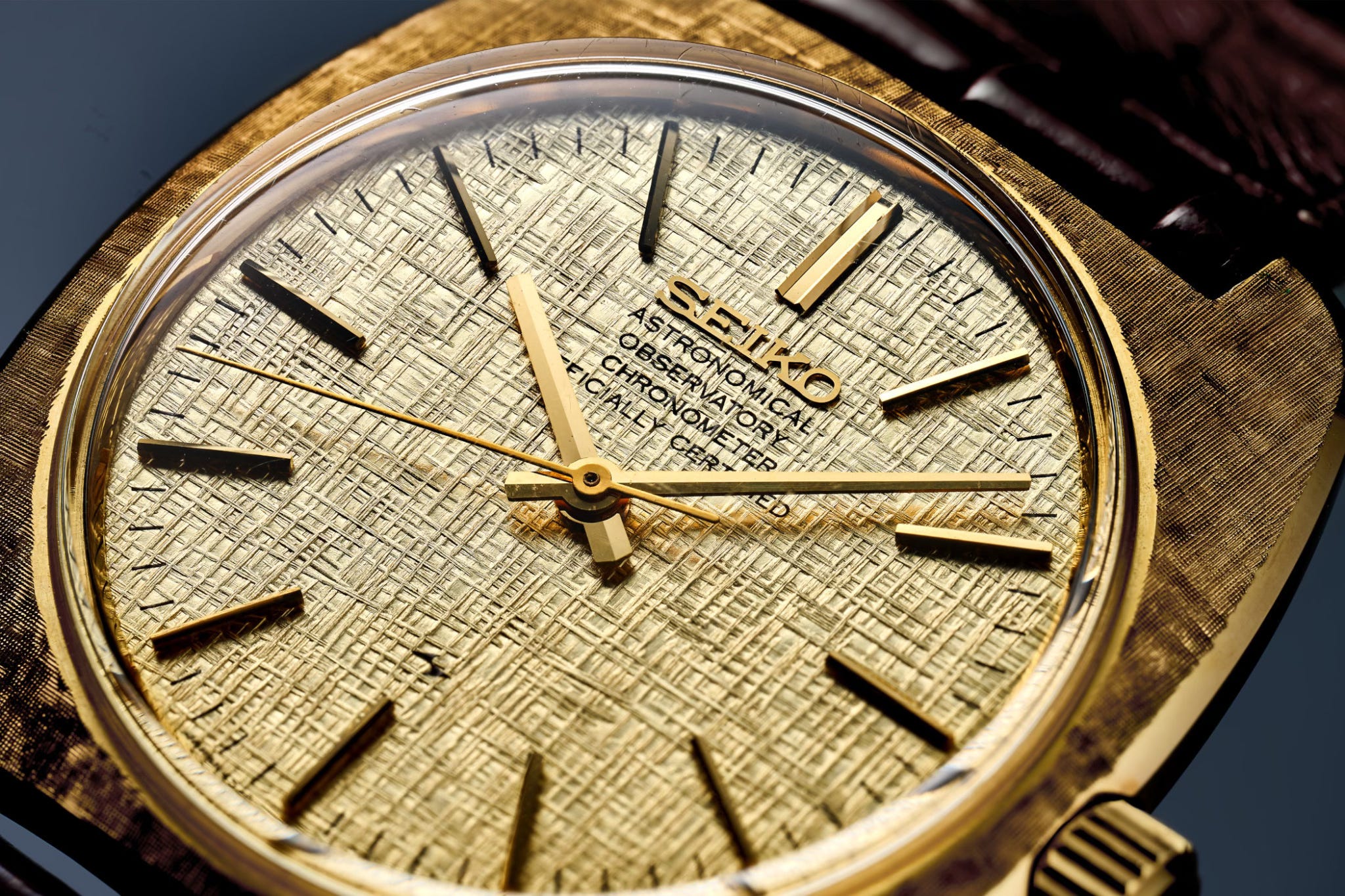
A Chronometer, however, is something entirely different. It is not a “tool” you use; it is a “status” or a feature a watch possesses. To claim this title, a watch must be submitted to an official testing institute to prove its precision through a series of rigorous trials.
A Swiss standard for your watch
The most prestigious of these institutes is the COSC (Contrôle Officiel Suisse des Chronomètres). Watches that pass their tests are labeled “COSC certified” or “Chronometer certified.” This serves as a diploma for timekeeping accuracy under various conditions. Again, the etymology tells the story; Chrono (time) + Meter (to measure): a time-measurer.
The COSC tests are legendary: for 15 days, a movement is tested in five different positions (dial up, dial down, and three vertical positions) and at three different temperatures (8°C, 23°C, and 38°C). The movement must maintain a daily accuracy of between -4 and +6 seconds. We are talking about a razor-thin 10-second window of permissible error.
Only after successfully navigating these tests can a watch bear the word “Chronometer” on its dial.
A common misunderstanding is that movements are born with this certificate. In reality, a watch brand typically purchases a movement and then sends it to the institute for testing under its own name.
It is also important to note that if a watch does not say “Chronometer,” it doesn’t necessarily mean it’s inaccurate. Obtaining COSC certification involves significant costs per unit, and some brands simply choose to skip the formal process to keep the retail price lower.
Finally, remember that it is not just a single prototype that undergoes these tests; every single individual watch of a certified reference must pass the 15-day trial. If your watch is a Chronometer, it has personally “survived” the COSC labs.
For any enthusiast or serious customer, respecting the vocabulary of horology is the first step toward a deeper understanding of this magnificent craft.
Its great... wow...
amazing job by Hamed i really like it <3