


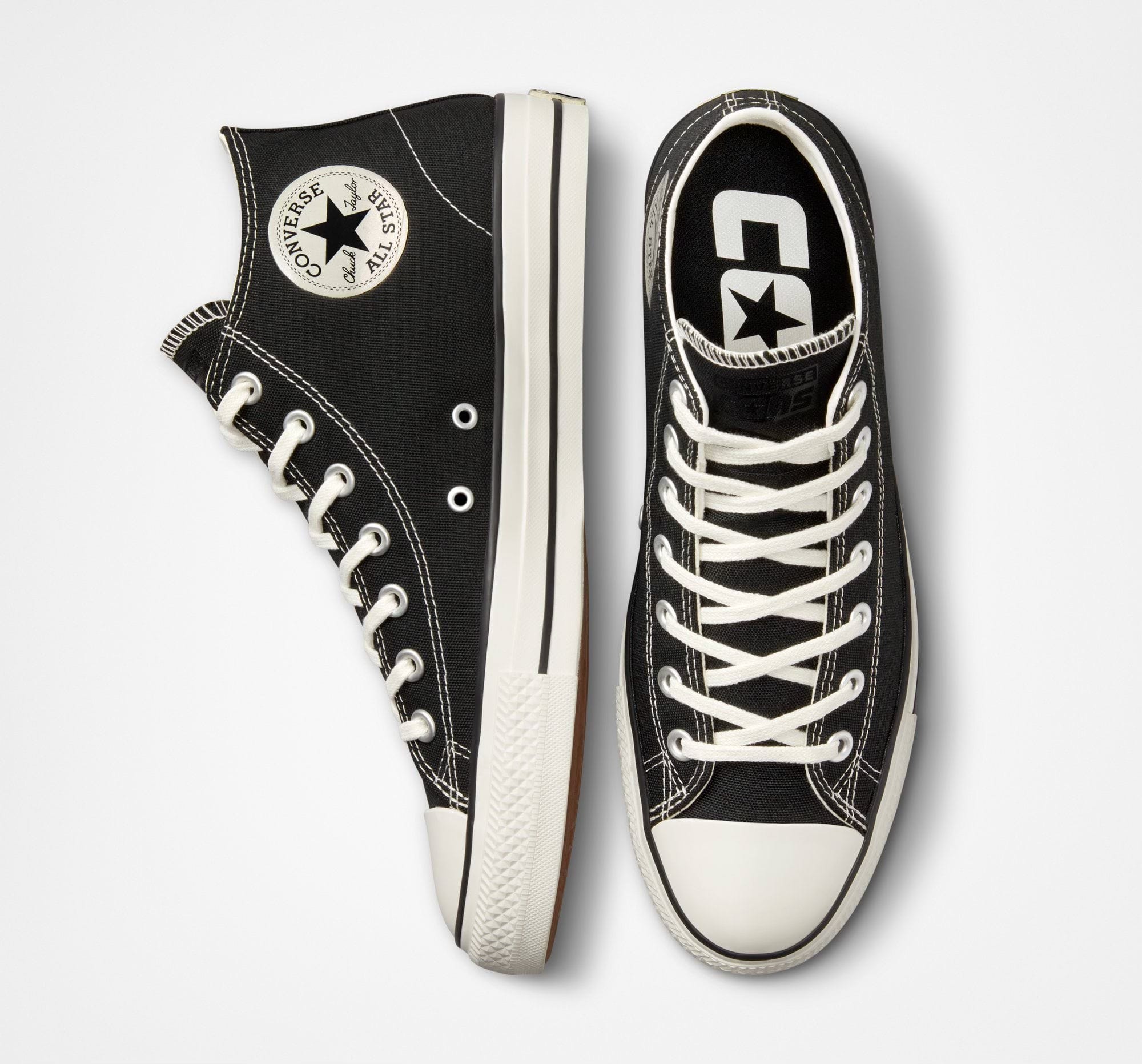
We live in a world of glue. If I were to describe the state of quality of various products at this point in our history, this is probably one of the most accurate and truthful statements: we truly live in a world made of glue.
When it comes to quality and excellence in things and objects, three main pillars can be the primary determinants: design, materials, and connections. Yes, I know this may not be very comprehensive, but in order for me to convey my point, please slow down a bit and join me.
Design is an endless galaxy. A galaxy with hundreds of stars and planets of principles and rules, and an infinite amount of empty space in between those celestial bodies that represent subjective choices. So I will say that my main focus in this article is not on design. We will leave the materials aside for now. My main reference from the beginning was the third pillar: connections.
These connections can be anywhere. Anywhere in between the infinite possible materials within the infinite possible designs. Whatever it is, it seems like it’s been a long time since the universe decided to connect things not with thread but with glue.
As you’re reading this, turn around and look at your shoes. There’s a very good chance that the sole of your shoe is attached to the upper with glue. There’s a very good chance that if it’s sewn, the main load of the connection is on the glue, and the use of thread was actually a cosmetic choice.
Or maybe you have a wallet in your pocket. Take a look at it. It’s good to know that most of the layers of your wallet are probably glued together. That’s why we have to buy a new wallet every three or four years, because it’s constantly under pressure in our back pockets and experiences a lot of temperature fluctuations, and pretty soon the glue between its layers loses its initial effect.
Just like what happens to one of the most important products in history: the Converse Chuck Taylor. A shoe that I, unfortunately or fortunately, love, but whose sole glue is almost always a foregone conclusion. I’m talking about one of the most influential pieces of clothing culture in the history of the last century, one of its most fundamental connections facing a defining and final challenge. But it seems that the mainstream industry has decided to prioritize more marginal things.
The sad thing is that there was a day at Converse when one of their employees said to their manager, “The biggest vulnerability of our shoes is the connection between the sole and the upper, and we need to do something about it,” and it seems that their solution was nothing more than, at the most optimistic possible, to use a slightly stronger glue.
Do I seem to be putting a drill in a poppy? Yes, I am being too sensitive. But aren’t we supposed to do the same thing? Aren’t we supposed to be aware consumers and users?
We see the same tragedy in many other garments. The sewing threads are there, but in practice, they are just a weak and unstable mask on a face covered in glue.
The imperative to “scale” production has drowned a large part of the world of things in a swamp of glue. This was something that first sparked after the start of the amazing post-World War II boom. Advertising and branding went from being an arm of production to being the decision-making unit of companies, and almost all brands decided to sacrifice their principles as much as possible in order to “get bigger” and increase production volumes unbridled. The managers and supervisors of the production line were under pressure from investors for whom the brand’s “advertising” unit had drawn an ever-expanding and endless horizon.
“We must grow bigger and bigger, we must produce more and more. And nothing can stand in the way of this clear plan.”
Sewing machines became as powerful as possible, but they were not enough. “Sewing” by its very nature could not be sufficient for this thirst for expansion, because by its very nature, it introduced complications into the production process that were detrimental to increasing profit margins. The role of glue had to be more prominent. The main emphasis in connections had to be shifted from sewing to glue. This alone was enough to change the language and style of design in many product groups in a tangible way.
Traces of this path are visible in a large fraction of things.
We are living in a world of glue. And this is not good news.